Did you know

Gilbert
30 April 2025
0 comment
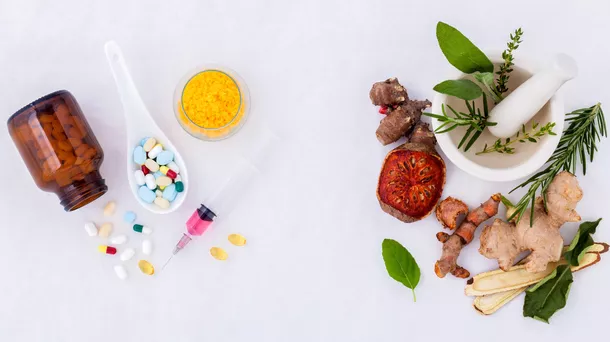
In recent years, traditional medicine (TM) has faced increasing skepticism. Many dismiss it as outdated, unscientific, or even ineffective compared to modern pharmaceuticals. This skepticism is understandable—They lack the extensive clinical trials, standardization, and precise calibration that define modern medicine. However, to completely disregard centuries of medicinal practice as simply "ineffective" is not only close-minded but also irresponsible. If Traditional medicine had no efficacy whatsoever, it would not have endured for thousands of years across multiple civilizations. The question we should be asking is not whether these remedies work, but rather how and why they do.
Modern technology is now shedding light on the "why" behind traditional medicinal herbs. Take licorice root (Glycyrrhiza glabra), for example. Used for centuries in TM to treat inflammation, sore throat and digestive issues, we now know that its active compound, glycyrrhizin, has potent anti-inflammatory and antiviral properties (Wahab et al. 2021). Similarly, berberine, a key compound found in Huang Lian (Coptis chinensis), has been scientifically recognized for its ability to regulate blood sugar levels, making it a promising natural treatment for diabetes (Utami et al. 2023). Another well-known example is ginseng (Panax ginseng), traditionally used to boost energy and immunity. Today, research confirms that its ginsenosides influence the immune system and enhance cognitive function (Smith et al. 2014).

These examples illustrate an important point: TM and modern medicine do not have to be at odds with each other. Instead, they can complement one another, offering a more holistic approach to healthcare. With modern analytical tools such as chromatography and mass spectrometry, scientists can identify active compounds in herbal remedies, ensuring purity, potency, and consistency. This allows for better standardization and integration of herbal medicine into modern healthcare practices — bridging ancient wisdom with the precision of contemporary science.
Beyond scientific validation, there is also a growing consumer interest in natural and plant-based remedies. More people are looking for alternatives to synthetic pharmaceuticals, seeking treatments that work in harmony with their bodies. This shift presents a tremendous opportunity to embrace TM within a more structured, evidence-based framework. Many advanced countries like China and Japan have already heavily incorporated herbal medicine into mainstream healthcare, recognizing its potential alongside conventional treatments. In the West, there’s an increasing acceptance of herbal supplements, adaptogens, and functional foods derived from traditional medicine.
.jpeg)
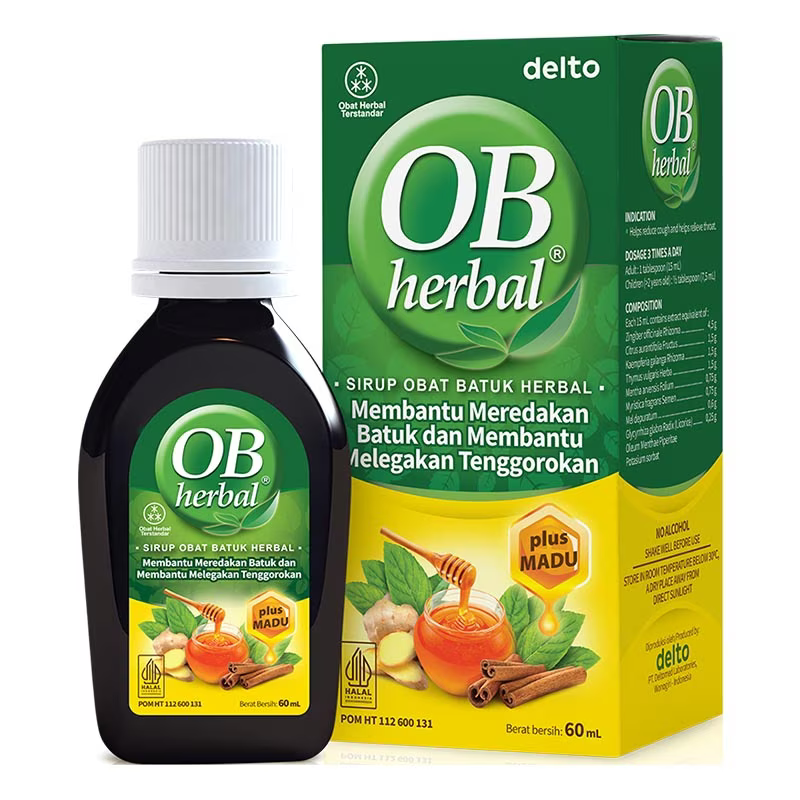
Consumers are becoming more informed and selective, seeking products that not only offer natural benefits but are also backed by rigorous scientific studies and quality assurance standards. As demand for plant-based wellness solutions grows, there is a compelling need to bridge the gap between traditional remedies and modern scientific validation to create well-regulated, trustworthy products that meet the highest safety and efficacy standards.
Rather than viewing traditional medicine and modern medicine as opposing forces, we should see them as complementary. With advanced analytical techniques—such as high-performance liquid chromatography (HPLC) and mass spectrometry—we can isolate active compounds, understand their mechanisms, and standardize dosages to ensure efficacy and safety. This fusion of ancient wisdom and modern technology allows us to harness the best of both worlds.
For product developers and formulators, this means there is an opportunity to create innovative, evidence-backed products that leverage the power of TM herbs while ensuring consistency, efficacy, and safety. Instead of dismissing these time-tested ingredients, we should seek to understand them better and integrate them into modern formulations where they can provide real benefits.
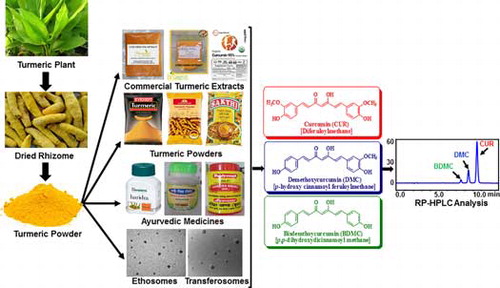
The future of medicine doesn’t have to be a choice between old and new. By bridging traditional herbal wisdom with modern scientific advancements, we can develop natural, effective, and well-calibrated solutions that stand the test of both time and technology. It’s time to rethink the role of traditional herbs—not as outdated relics, but as untapped sources of potential in modern healthcare.
Points to take:
- Proven by Science – Traditional herbs work, and modern research explains why.
- Growing Market – Consumers want natural, science-backed alternatives.
- Smart Integration – Combine ancient wisdom with modern standards for safe, effective products.
Reference
https://doi.org/10.3390/plants10122751